The Definitive Guide to Deck Installation: Professional Step-By-Step Tips
The Ultimate Guide to Deck Installation offers a systematic framework for designing an outdoor space. It addresses critical aspects such as material selection, planning, and necessary tools. Each step is designed to simplify the installation process, allowing homeowners to accomplish a professional finish. Still, even skilled DIY hobbyists can fail to notice frequent errors. Knowing these missteps could be key for a project that succeeds. Discover these errors and learn how to prevent them.
Planning Your Dream Deck: Key Steps to Follow
Designing a dream deck begins with a well-defined vision and deliberate organization. The initial phase requires examining the available space and determining the deck's intended use, whether for entertaining, unwinding, or bringing the family together. Following this, homeowners should explore the aesthetic choices and construction materials that align with their house's style and aesthetic vision. Drawing up a plan can make it easier to picture the design, including elements like seating, railings, and planters.
Researching area-specific building rules and standards is essential to prevent complications throughout the construction process. Additionally, setting a clear budget will direct decisions on materials and building methods. Residents should also take into account ongoing care and structural longevity, choosing materials well-suited to their regional environment. Lastly, consulting with professionals or experienced friends can provide valuable insights, securing a thoughtful blueprint that addresses both usability and design preferences. Through thoughtful preparation, the perfect deck can evolve into a charming and welcoming addition to the residence.
Essential Tools for Your Deck Installation
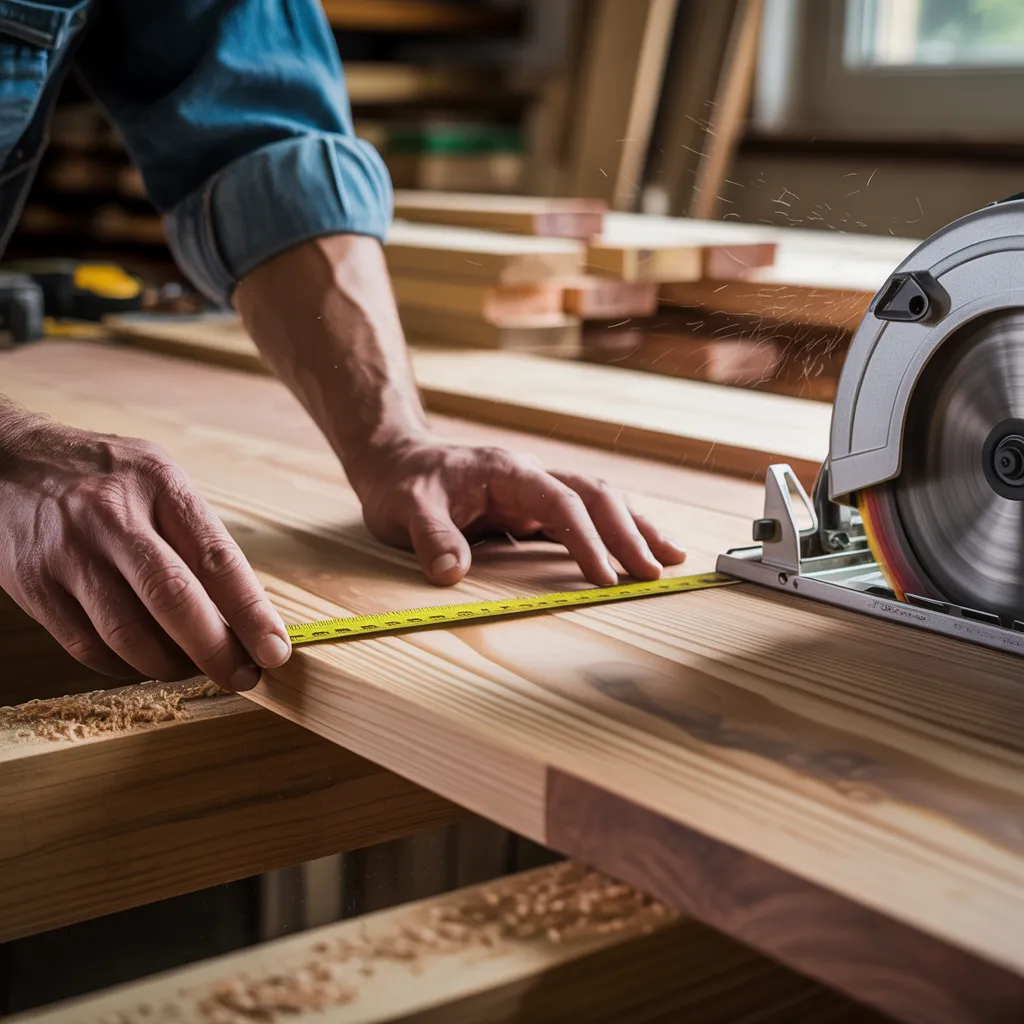
A successful deck installation needs a comprehensive set of tools. Critical tools encompass a circular saw to make accurate cuts, a power drill to drive screws and secure components, and a measuring tape for confirming exact dimensions. A level is necessary to maintain uniform surfaces, while a framing square ensures proper right angles during the building process.
In addition, a hammer is useful for tapping in fasteners or making manual adjustments, and a pry bar assists with removing old materials if necessary. Protective equipment, such as goggles and gloves, must not be ignored, offering essential protection while installing.
For a professional finish, a sander may be needed for refining edges, and a chalk line assists in marking precise straight lines. Having these tools on hand not only streamlines the installation process but also promotes a sturdy and attractive deck. Using the appropriate tools during preparation is essential for successful deck building.
Selecting Materials for Your Deck Installation: Wood vs. Composites
When deciding on materials for building a deck, the selection between wood and composites significantly affects maintenance needs, durability, and visual appeal. Every option carries specific strengths and limitations that property owners should weigh. Grasping these elements can lead to a knowledgeable selection for a durable and aesthetically appealing deck.
Durability And Lifespan Considerations
Selecting the correct materials for deck installation heavily influences its durability and longevity. When considering wood, species like cedar and redwood offer natural resistance to decay but may require regular maintenance, including sealing and staining. Over time, they may be vulnerable to warping and splintering. By comparison, composite materials, consisting of a blend of recycled plastics and wood fibers, provide improved durability. They are resistant to fading, staining, and scratching, requiring less upkeep. However, quality can vary considerably among brands, so comprehensive investigation is important. At the end of the day, selecting either material involves balancing the initial cost against long-term performance, maintenance requirements, and environmental factors to ensure the deck withstands the elements and regular use for years to come.
Aesthetic Appeal Considerations
The aesthetic quality of a deck greatly affects its total value and appeal. When choosing materials, homeowners often evaluate the aesthetic properties of wood against those of composite options. Natural wood radiates warmth and character, offering vibrant textures and tones that can enhance a property's charm. However, it demands thoughtful selection of species to guarantee longevity and resistance to outdoor elements. By contrast, composite materials provide a uniform appearance and a more extensive palette of colors, attracting those who prefer contemporary aesthetics. They can simulate the aesthetic of wood while providing dependable quality. Ultimately, the choice between wood and composites copyrights on personal style preferences and the desired ambiance, defining the framework for the deck's overall visual effect.
Maintenance Requirements Summary
Picking materials for deck installation involves thoughtful evaluation of maintenance requirements, which can differ significantly between composite and wood options. Wood decks typically require regular staining, sealing, and cleaning to prevent insect damage, rot, and warping. As time passes, they may exhibit wear, calling for increased maintenance and repairs. On the other hand, composite decks are engineered for durability and require minimal maintenance. They are resistant to fading, splintering, and staining, and typically only need periodic cleaning with soap and water. Although composite materials carry a higher upfront cost, their lower upkeep can result in long-term savings. In the end, the choice between wood and composite will significantly impact the continuing upkeep demands and expenses associated with deck ownership.
Step-by-Step Deck Installation: From Foundation to Finish
A proper deck installation necessitates meticulous planning and execution, guaranteeing every step is carried out accurately. The process begins with choosing a suitable location, considering factors such as sunlight and drainage. Subsequently, the base is constructed, typically employing concrete footings to offer a solid foundation. Leveling the ground is essential to create a level surface for the deck framework.
After the foundation is set, the framing is built using pressure-treated lumber, forming the skeleton of the deck. This structural framework must be carefully aligned and firmly secured. After the framing, deck boards are installed, usually in an alternating pattern to boost visual appeal and structural strength.
Railings and stairs are added next, in compliance with local building codes for maximum safety. As a final step, finishing details, like sealing or applying stain to the wood, shield the structure from the elements and increase the deck's longevity. Properly completing these steps results in a durable, attractive outdoor space that meets the homeowner's needs.
Top 10 Mistakes to Avoid When Building Your Deck
Building a deck can be a rewarding project, but many challenges can emerge throughout the process. One typical oversight is ignoring local building codes, which can result in penalties or mandatory demolition. Another frequent error is inadequate planning, leading to a layout that fails to suit the area. Failing to choose the right materials can also compromise durability and aesthetics.
Neglecting proper foundation work is a major error, as it can result in dangerous instability. Additionally, neglecting adequate drainage can result in water damage with time. Many builders underestimate the importance of railing height and load capacity, risking safety. Inaccurate dimension calculations can cause material waste and elevated costs.
Additionally, ignoring material expansion and contraction can cause structural warping. Through awareness of these ten common mistakes, contractors can accomplish a successful deck installation that fulfills both functional and aesthetic goals.
How to Maintain Your Deck in Top Condition for Years?
Keeping up the appearance of a deck necessitates consistent effort and attention. Regular cleaning techniques, combined with periodic maintenance strategies, play an essential role in maintaining its charm and durability. By embracing these methods, property owners can be confident that their deck stays an inviting outdoor space over the long term.
Regular Cleaning Techniques
Maintaining a deck in excellent condition necessitates routine cleaning practices that keep dirt, mildew, and stains from accumulating. Experts suggest cleaning the deck with a broom each week to remove debris and prevent buildup. For deeper cleaning, a blend of gentle soap and water can be worked in using a gentle-bristle brush, guaranteeing that all areas are thoroughly cleaned. A thorough rinse afterward is necessary to avoid soap residue. When mildew appears, a blend of white vinegar and water can efficiently remove it without the need for harsh products. Moreover, operating a pressure washer with care can get rid of persistent stains, but it must be used at a reduced pressure setting to protect the surface. Routine care enhances durability, guaranteeing the deck stays an appealing outdoor retreat long into the future.
Seasonal Maintenance Tips
Although many homeowners focus on cleaning their decks, seasonal upkeep is crucial for maintaining their appearance and performance. To ensure long-lasting results, it is advisable to inspect the deck for any signs of wear or damage at least twice a year. This includes checking for loose boards, rusted nails, or loose railings. Using a protective coating every couple of years can defend against moisture and sun damage. Additionally, during see now the fall, homeowners should clear away leaves and debris to prevent mold growth. Throughout winter, snow removal should be done carefully, refraining from using metal shovels that might scratch the deck. By following these seasonal maintenance tips, homeowners can keep their decks looking great and functioning well for many years to come.
Features and Accessories That Will Transform Your Deck
To design a genuinely welcoming outdoor area, homeowners regularly evaluate a variety of stylistic features and enhancements that can enhance the overall appeal of their decks. Adding built-in seating solutions, such as garden benches or decorative planters, not only optimizes available space but enhances practicality. Adding shade options, like decorative pergolas or adjustable awnings, can ensure comfort throughout warm sunny afternoons. Stylish railing designs, spanning from traditional wood to contemporary metal styles, not only enhance safety but also add significant visual appeal.
Lighting is another essential feature; string lights or recessed LEDs can set a welcoming mood for after-dark get-togethers. In addition, exterior rugs and cushions provide comfort while enabling personalization. Lastly, integrating greenery through potted plants or vertical gardens can breathe life into the space, making the deck a serene retreat. By thoughtfully selecting these elements, homeowners can convert their decks into elegant and welcoming outdoor escapes.
Frequently Asked Questions
What Permits Are Required for Deck Installation in My Area?
To identify the necessary permits for installing a deck, homeowners should contact the local building authority. Regulations vary by location; typically, permits are required for structural, electrical, or plumbing work, confirming compliance with local safety and zoning requirements.
How Do I Choose a Contractor for My Deck Project?
When choosing the right contractor for a deck installation, it is important to research local contractors, confirm references, check licenses and insurance coverage, look over past completed work, and request multiple estimates to secure quality results and value for the investment.
Is Installing a Deck on Uneven Ground Possible?
Yes, a deck is able to be installed on uneven terrain, but adequate planning and proven techniques are critical. Available options include utilizing adjustable post supports, designing a multi-level deck, or evening out the ground before building to maintain structural stability.
What Is the Typical Cost of Deck Installation?
The typical cost of deck installation generally falls from $15 to $35 per square foot, based on the materials used, the complexity of the design, and local labor costs. This price range covers both labor and materials for a comprehensive project.
What Is the Typical Duration of Deck Installation?
Deck installation generally requires anywhere from one to three weeks depending on the complexity, size, and materials used. Weather conditions and the availability of the crew can also affect the timeline, significantly impacting the overall duration of the project.